
Return to the roots? Israel’s new turn to the Bible
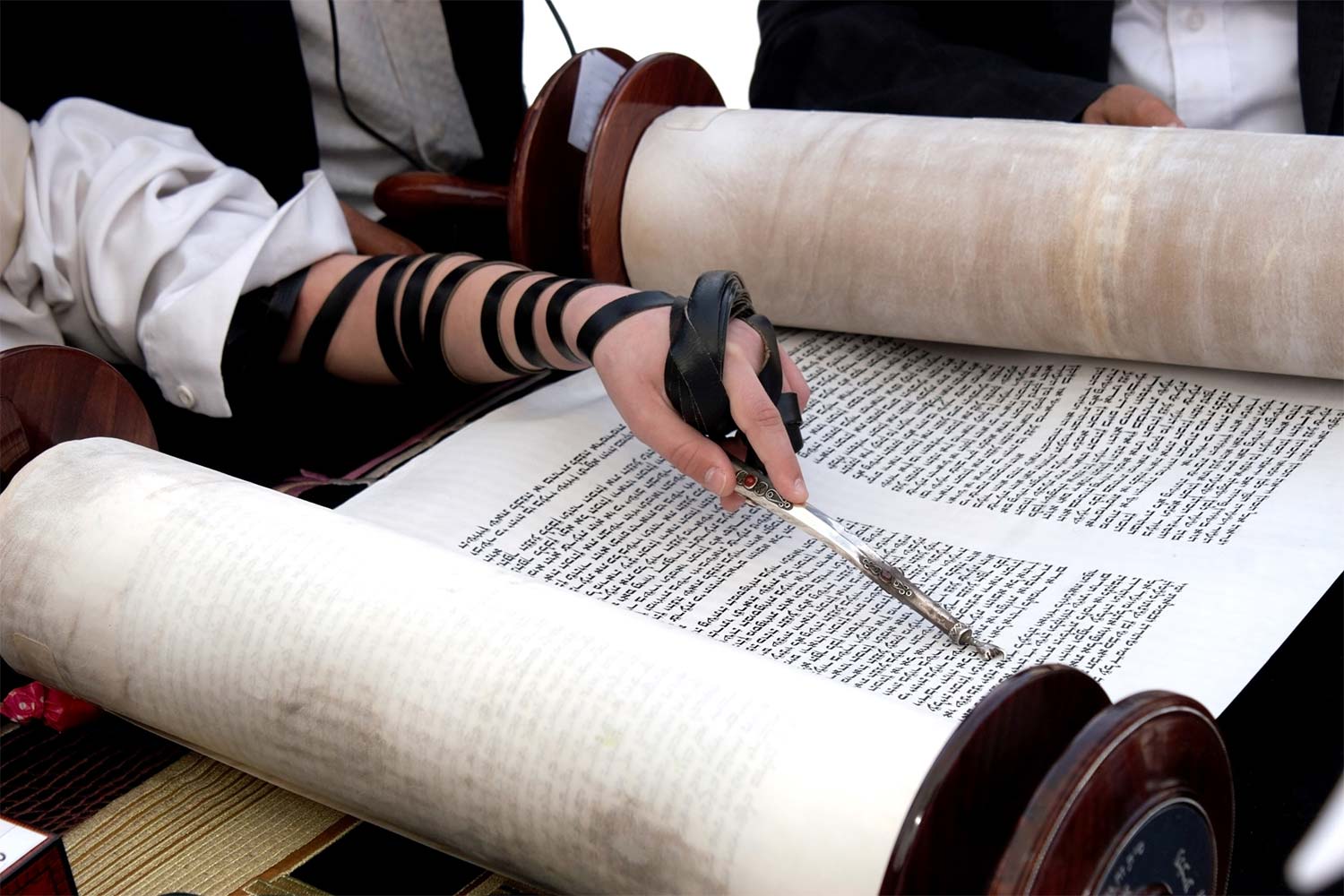
For a long time, Israel was considered to be divided in religious terms. On the one hand, there is a highly secularized society, especially in Tel Aviv and other cities with a Western lifestyle. On the other side are strictly religious milieus in which Torah and Halacha determine everyday life. However, a new development can now be observed. The Bible is once again taking center stage in many parts of society, not only as a religious foundation, but also as a cultural heritage and source of personal orientation in faith.
Between tradition and curiosity
The new turn to the Bible is not only taking place in synagogues or religious schools. Secular educational institutions are also reporting a growing interest in biblical literature. Programs that used to be considered purely religious are now seen as cultural treasure troves. At universities, Old Testament texts are no longer regarded merely as historical sources, but as a space for intellectual dialog with contemporary relevance.
The need for meaning and values is growing, especially among young adults. Many discover orientation in biblical stories, without wanting to be firmly assigned to a religious direction. The Psalms, the Book of Kohelet or the story of Ruth encourage personal reflection, often beyond denominational boundaries.
Bible study in new formats
Initiatives such as “929 – Tanach Yomi” show how contemporary Bible reading works today. The project invites people to read a chapter of the Old Testament every day, supplemented by commentaries from journalists, artists, politicians and theologians. The content is digitally accessible and also reaches people who do not consider themselves religious.
Interest is also increasing in the media. Television documentaries are dedicated to biblical locations, religious traditions or rabbinical interpretations. Even international streaming services are increasingly picking up Israeli formats with spiritual content.
Social and political dimension
Of course, the relationship between religion and the state in Israel remains a field of tension. Some see the danger of ideological appropriation in the return to biblical texts, especially when religious narratives are incorporated into political debates. However, many observers emphasize that this is a rather quiet, personal movement. Not as a question of power, but as an expression of a search. For depth, for identity, for something that points beyond everyday life.
New faith map
The movement is not limited to orthodox circles. Many people who see themselves as secular are also rediscovering Jewish spirituality. In Jerusalem, there are secular yeshivot where Bible texts are read and discussed together, without religious pressure, but with open interest. In Tel Aviv, the number of evenings where biblical texts and modern poetry come together is growing.
The boundaries between religious and secular seem to be shifting. The preoccupation with the word of God is increasing.
Between skepticism and longing
It is difficult to say whether this is a lasting change or just a trend. But one thing is clear: in Israel, the Bible is more than just a religious book. It is a collective memory, a cultural source and a moral compass. And for many people across society, it is once again becoming a personal anchor and a serious endeavor to be in relationship with God. im


